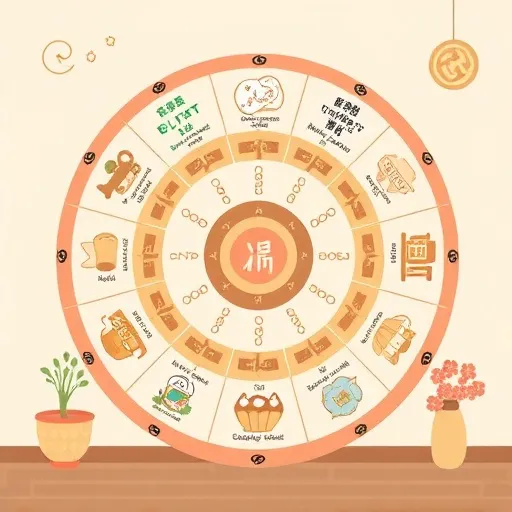
Bagua map feng shui
What Is a Bagua Map, Exactly?
Okay, let's kick things off with the fundamentals, because if you're trying to figure out how to use bagua map for home feng shui, you need to know what you're actually working with. The bagua map — sometimes written as "ba-gua" or called a bagua chart — is essentially an energy map used in feng shui. The term translates roughly to "eight areas," and that's pretty much what it is: a grid made up of nine sections (eight surrounding zones plus a center) that each connect to a different life theme.
Picture it as a transparent blueprint you lay right over your floor plan. Every section of the map ties to a specific aspect of life — career, relationships, health, wealth, creativity, and more. The whole idea behind how to use bagua map for home feng shui is that once you line the map up with your layout and make thoughtful tweaks in each zone, you can encourage positive shifts in the matching area of your life. Sounds a little out there? Stick with me — it's more practical than it sounds.
There are two primary ways people apply the map:
- The compass method (classical feng shui): You align the bagua using real compass directions, figured out with a traditional feng shui compass. This route is more involved and usually calls for professional guidance.
- The form school method (BTB bagua): You anchor the map to your front door instead of compass points. This is the approach most folks turn to for home feng shui because it's simpler and needs zero special tools.
For everything here, we're focusing on the form school method — it's the most beginner-friendly route and works beautifully for DIY feng shui projects. When people ask me about how to use bagua map for home feng shui without hiring a pro, this is always where I point them first.
Why the Bagua Map Matters for Home Feng Shui and Intentional Living
Here's the thing about feng shui for home: it's not about dropping cash on fancy decor or flipping your entire house upside down. It's about intention and awareness. The bagua map hands you a structure — a way to look at your space and ask, "What do I actually want this room to support?" That's the heart of how to use bagua map for home feng shui in a nutshell.
From a modern angle, this is where spatial alignment meets intentional living. Plenty of interior design consultants and wellness space planners now weave bagua principles into their work — not because of superstition, but because the framework encourages mindful placement and purposeful design. A seasoned practitioner will tell you straight: the map isn't magic — it's a mirror. It helps you see your living space through a totally different lens. And honestly? That's exactly what makes it so powerful when you're learning how to use bagua map for home feng shui.
How to Align the Bagua Map with Your Home and Front Door
This is the step where most people get stuck, so let's break it down carefully. Mastering how to use bagua map for home feng shui starts right here.
Step 1: Find your front door. In the form school approach, your front door — the one you use most often, or your main entrance — is the anchor point. This is called the "mouth of chi" (the entry point of energy). Stand at your front door facing inward.
Step 2: Position the bagua grid. Imagine a three-by-three grid (like a tic-tac-toe board) overlaid onto your floor plan. The bottom-center square should line up with your front door. So if you're standing in the doorway looking in, the bottom row of the grid stretches across the entry area. The grid should cover your entire home — or, if you're going room by room, the whole room you're analyzing.
Step 3: Map the nine areas. Once the grid is in place, you can spot which section of your home corresponds to which life theme. Quick note: if your home has an irregular shape (an L-shape, a missing corner), don't sweat it. Lots of homes do. A feng shui space planning specialist can help with complex layouts, but for now, just approximate the grid as best you can. That's a perfectly fine way to start how to use bagua map for home feng shui.
The Nine Bagua Areas, Life Themes, and Element Enhancements
Here's where it gets fun. Each of the nine sections of the bagua map has its own theme, five elements association, and set of ideal enhancements. Let's run through them.
1. Career and life path (bottom center): Sometimes called the "Kan" zone, this relates to your career, calling, and sense of purpose. It's tied to the water element. Enhancements include mirrors, water features or images of water, dark blue or black accents, and flowing shapes. Avoid clutter, broken items, and excessive fire imagery.
2. Relationships and partnerships (bottom right): This governs romance, marriage, and close partnerships, linked to the earth element and the color pink. Go for pairs of objects (two candles, two pillows), rose quartz accents, round shapes, and fresh flowers. Skip single items, excessive water imagery, and images of solitary figures.
3. Family and ancestry (middle right): Connected to family bonds, heritage, and your foundation, associated with wood energy and green. Enhance with plants, wooden furniture, family photos, and green textiles. Avoid metal-heavy decor, sharp objects, and dead plants.
4. Wealth and prosperity (top right): Also called the "Xun" area — a favorite for obvious reasons. It relates to abundance, financial growth, and personal power, with wood as the element and purple and gold as the colors. Try healthy plants, a bowl of coins, purple or gold accents, and a small fountain if it feels right. Avoid clutter, dead plants, and water features right next to fire elements.
5. Health and wellbeing (center): The center — sometimes called the "Tai Chi" — represents overall health, balance, and your connection to the rest of the map, tied to earth and yellow. Enhance with ceramic objects, earthy accents, open space, and air-purifying plants. Clutter is especially bad here, along with heavy furniture blocking the center and broken items.
6. Children and creativity (top center): Often called the "Dui" area, this relates to children, creativity, and joy-bringing projects, linked to the metal element and white or gray. Go for white or metallic accents, round objects, creative supplies, and art that makes you smile. Avoid clutter, sharp edges, and overly heavy decor.
7. Knowledge and self-cultivation (top left): This supports learning, wisdom, and introspection, associated with earth and blue or green tones. Enhance with books, a meditation cushion, earthy ceramics, and calm decor. Avoid distracting noise, chaotic clutter, and broken items.
8. Fame and reputation (middle top): Sometimes called the "Li" area, this is about recognition, public image, and how you shine, connected to the fire element and red. Try candles, red accents, awards or certificates, and bright lighting. Avoid water imagery (it conflicts with fire), clutter, and dim lighting.
9. Travel and helpful people (top left corner): This relates to travel, mentors, and supportive people, linked to metal and white or gray tones. Enhance with travel photos, a small globe, metallic accents, and images of mentors. Avoid clutter, heavy earth elements, and broken objects.
Practical Tips for How to Use Bagua Map for Home Feng Shui in Real Life
Okay, so you've got the map and the zones. Now what? Here are some practical, actionable feng shui tips for making it work in real life.
Start with the entry. Your front door is where energy enters. Before anything else, make sure your entryway is clean, well-lit, and welcoming. A clear and intentional entry sets the tone for the whole home — think of it as the gateway to your bagua map.
Do one zone at a time. Don't try to overhaul everything in a weekend. Pick the bagua area that feels most important right now — maybe career, maybe relationships — and focus there. A gradual and mindful approach beats a frantic overhaul every time. This is the secret sauce to how to use bagua map for home feng shui without burning out.
Work with what you have. You don't need to buy a thing. Look around and see what already fits each zone. That green throw pillow? Perfect for the family area. Those white ceramic vases? Great for the creativity zone. Repurposing and rethinking is the heart of sustainable feng shui.
Keep it clean and clear. The most important tip in any book: declutter. Clutter blocks energy in every zone. Before adding anything new, remove what doesn't belong. A clutter-free space is the foundation of any effective bagua application.
Use intention, not just decoration. When you place a plant in the wealth zone, take a moment to think about what abundance means to you. When you hang a photo of loved ones in the relationships zone, feel gratitude for those connections. Intention amplifies placement — that's the emotional core of how to use bagua map for home feng shui.
Common Bagua Map Mistakes and Room-by-Room Feng Shui Layouts
Let's talk about what not to do — because even well-intentioned feng shui can go sideways.
- Don't mix compass and form school methods. Pick one and stick with it — mixing creates confusion and inconsistency.
- Don't ignore the center. The health area is the heart of the map. If it's cluttered, the whole home feels off.
- Don't overdo it. More enhancements don't equal more benefits. A balanced and intentional approach always wins over an overcrowded one.
- Don't force the map onto awkward layouts. If your floor plan doesn't fit the grid perfectly, that's okay — work with what you have and focus on the feeling of each zone.
- Don't neglect maintenance. A dead plant in the wealth zone is worse than no plant at all. Keep everything fresh and functional.
You can apply the bagua map to your entire home, but you can also use it room by room — especially helpful in a small space or shared apartment where you can't control the whole layout. Say your bedroom lands in the "career" zone of your home's map; you can still treat the bedroom as its own mini-bagua. Each room becomes a smaller version of the map, which is a flexible and practical approach that works for renters and homeowners alike. A feng shui consultant often uses this room-by-room method with clients who have limited control over their environment. It's a great way to make meaningful changes even in a temporary space — and honestly, it's one of the most underrated answers to how to use bagua map for home feng shui.
So start with your front door. Pull up a bagua chart. Walk through your home with fresh eyes, pick one zone that matters to you right now, and make one small change. That's how the transformation begins — one intentional square at a time. And remember: the best feng shui is the kind you actually live with. Keep it simple, keep it meaningful, and let your home become the supportive space you deserve. That's really what how to use bagua map for home feng shui is all about at the end of the day.