Five Elements in Chi
What Are the Five Elements?
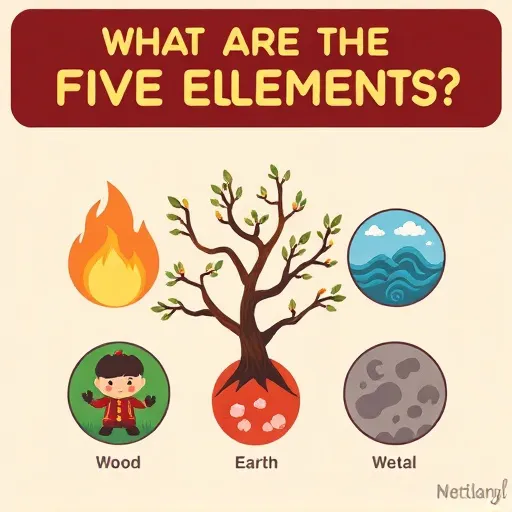
If you've been digging into a chinese name five elements naming guide, you've probably hit this question first: what exactly are the Five Elements? Short answer — Wood, Fire, Earth, Metal, and Water. These five aren't lumps of physical stuff like a log or a rock. In classical Chinese philosophy, they're dynamic phases of energy, constantly moving and shifting. Think of them as five dancers in a loop, each one handing off to the next. Wood feeds Fire, Fire creates Earth (ash, anyone?), Earth bears Metal, Metal carries Water, and Water nourishes Wood. On top of that, each element also keeps another one in check — a balancing act that keeps the whole system from spinning out. Any solid chinese name five elements naming guide starts right here, because this cycle is the engine behind everything else.
So how does this connect to naming? The idea is elegantly simple. Every person is believed to carry a unique elemental composition based on their birth date and birth time. A skilled practitioner — often a naming consultant or an expert in traditional metaphysics — analyzes that composition to spot which elements are abundant and which are lacking. The name then becomes a subtle tool to restore harmony. That's the heart of any chinese name five elements naming guide: your child's name isn't just a label, it's a gentle nudge toward balance.
Why the Five Elements Still Matter in 2026 for Modern Parents
You might wonder whether an ancient system still holds up in an era of smart devices and virtual everything. The answer, resoundingly, is yes. In 2026, interest in culturally grounded naming has surged, especially among diaspora families and young parents who want names with depth rather than passing trends. A growing number of online platforms now offer automated elemental analysis, and even mainstream parenting communities discuss Five Elements naming as a thoughtful alternative to simply picking a name that sounds nice. Any up-to-date chinese name five elements naming guide will tell you the same thing: this practice isn't fading, it's going digital.
What's changed is accessibility. Where families once relied solely on a grandparent or a local fortune-teller, they now have a range of digital tools and knowledgeable consultants at their fingertips. The continued popularity of this practice speaks to something deeper — a universal human desire to start a new life on the right foot. And honestly, that's why a good chinese name five elements naming guide feels just as relevant today as it did a century ago.
The Core Principle of Balance, Not Perfection, in Five Elements Naming
Here's a misconception worth clearing up right away. The goal of elemental naming is not to cram as many "lucky" elements into a name as possible. Instead, it's about balance. If a child's BaZi chart shows an excess of Fire, adding more Fire to the name could be counterproductive. A seasoned expert will typically recommend Chinese characters associated with elements that are underrepresented or that help mediate conflicts between dominant elements.
Think of it like tuning an instrument. You don't want every string at maximum tension — you want harmony. This principle of balance is what makes Chinese name Five Elements analysis so nuanced, and why generic name lists rarely deliver the same value. A thoughtful chinese name five elements naming guide will always hammer this point home before you pick a single character.
How Elemental Analysis Works Through the BaZi Four Pillars Chart
The process usually begins with the BaZi, or Four Pillars of Destiny — a chart derived from the year, month, day, and hour of birth. Each pillar pairs a Heavenly Stem with an Earthly Branch, and each of these carries an element. The interplay produces a detailed map of a person's elemental leanings. Here's how a chinese name five elements naming guide typically walks you through it:
- Step 1 — Chart the birth data: A practitioner converts the birth details into the traditional calendar system and maps out the elements present. This step requires precision — even the hour of birth matters.
- Step 2 — Identify imbalances: Next comes the diagnostic phase. Which elements dominate? Which are missing or weak? Are there clashes that need softening? Genuine expertise separates a thoughtful reading from a superficial one.
- Step 3 — Select characters: Only then does the fun part begin. Each Chinese character carries not only a meaning but also a traditional elemental association, often linked to its radical or historical usage. Characters with the water radical lean toward Water, while those containing fire radicals align with Fire.
- Step 4 — Check sound and meaning: A responsible naming consultant never stops at elemental theory. The chosen characters must also flow well phonetically, avoid unfortunate homophones, and convey positive, aspirational meaning.
Skip any of these steps and even a well-meaning chinese name five elements naming guide can lead you astray. The sequence matters.
Five Elements and Character Associations in Chinese Naming
Let's break down how each element typically translates into naming choices. Keep in mind that associations can vary by region and tradition, so treat this as a general overview rather than a rigid rulebook — most versions of a chinese name five elements naming guide will say the same.
- Wood: Growth, vitality, and creativity. Characters linked to trees, plants, and nature often fall here. Wood names are popular for children born in spring.
- Fire: Passion, brightness, and warmth. Fire-associated characters often relate to light, sun, and energy.
- Earth: Stability, nourishment, and grounding. Characters tied to soil, mountains, and fields carry Earth energy.
- Metal: Strength, clarity, and refinement. Metal characters often reference gold, jade, or sharpness.
- Water: Wisdom, adaptability, and flow. Water-associated characters connect to rivers, rain, and depth.
A well-constructed name might combine, say, a Water character with a Wood character to create a generative cycle — Water nourishes Wood. This kind of intentional pairing is a hallmark of skilled Five Elements naming, and it's the kind of detail a quality chinese name five elements naming guide will always emphasize.
Common Mistakes to Avoid When Following a Chinese Name Five Elements Naming Guide
Even with good intentions, families often stumble into predictable pitfalls. Watch out for these:
- Overloading a single element. More is not better. A name stacked with three Fire characters may amplify imbalance rather than fix it.
- Ignoring pronunciation. Elemental accuracy means little if the name is a tongue-twister or invites teasing.
- Copying trends blindly. Popular character combinations may not suit your child's specific BaZi chart at all.
- Skipping professional input. Automated tools are convenient, but a knowledgeable practitioner catches subtleties that algorithms miss.
Every one of these mistakes shows up in real life, and every reputable chinese name five elements naming guide warns against them for good reason.
The Role of Technology and Digital Tools in 2026 Naming
This year, digital naming services have become remarkably sophisticated. Many platforms now generate full elemental reports within minutes, cross-referencing birth data with extensive character databases. Some even offer compatibility checks for siblings and suggestions for English transliterations.
That said, industry professionals consistently caution against treating these tools as the final word. The best results come from combining technology's speed with human judgment. A seasoned naming expert can weigh cultural context, family history, and personal preference in ways that a purely automated system cannot. Think of digital tools as a helpful first draft, not the finished manuscript — a smart chinese name five elements naming guide uses both.
Balancing Tradition with Modern Life in Five Elements Naming
One of the most refreshing developments in 2026 is how flexible the practice has become. Families no longer feel forced to choose between tradition and modernity. It's entirely possible to honor Chinese name Five Elements principles while selecting characters that sound fresh and contemporary.
Many parents now ask consultants to prioritize meaningful, elegant characters first, then fine-tune for elemental balance. Others request names that work smoothly in bilingual contexts. The framework adapts — because at its core, the Five Elements system was never about rigid rules. It's about harmony, and harmony always leaves room for personal expression. That flexibility is exactly why a modern chinese name five elements naming guide looks a little different from one written decades ago.
Practical Tips for Getting Started with Elemental Naming
Ready to explore elemental naming for your child? Here's a simple roadmap any good chinese name five elements naming guide would endorse:
- Gather accurate birth details. Date, time, and location are essential for a precise BaZi chart.
- Research the elements. Familiarize yourself with the generative cycle and restraining cycle so you understand the logic behind recommendations.
- Consult a qualified expert. Look for practitioners with documented experience and transparent methodologies.
- Shortlist meaningful characters. Jot down characters you love for their sound and meaning, then see how they fit the elemental picture.
- Test the name aloud. Say it with your family surname, in different tones, and in everyday conversation.
- Double-check cultural nuances. Ensure the characters don't carry unintended meanings in your regional dialect.
Follow those steps and you'll get far more out of any chinese name five elements naming guide than someone who just skims a list of "lucky" characters online.