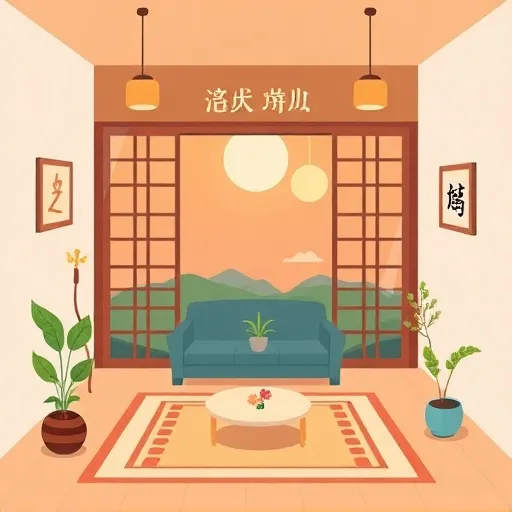
Balancing energy in
What Exactly Is Feng Shui, Anyway?
At its core, feng shui for beginners starts with one big idea: it's the art and science of balancing energies in a physical space. The term translates roughly to "wind and water," which reflects the belief that invisible forces shape our surroundings. Think of it as interior design with an energetic twist—every piece of furniture, every color, and every clutter pile either supports or disrupts the flow of energy (often called chi or qi) in your home. If you're new to all this, feng shui for beginners is really just about paying attention to how your space makes you feel—and then tweaking it on purpose.
Industry professionals often describe feng shui for beginners as a tool for aligning your outer environment with your inner goals. Want more abundance? Set up your space to welcome it. Craving better sleep? Adjust your bedroom layout. It's less about superstition and more about intentional living—creating a home that feels supportive rather than draining. That's the heart of feng shui for beginners: small, deliberate choices that add up.
A Quick Note on the Ancient Origins and Cultural Roots of Feng Shui
Feng shui has roots stretching back thousands of years in Chinese culture, blending philosophy, astronomy, and geography. While the traditional practice involves complex calculations and compass readings, modern feng shui for beginners can absolutely start with simplified principles. As one seasoned practitioner put it, "You don't need to master the entire system to benefit from it—start with the basics and let your intuition guide you." That's encouraging news if you're exploring feng shui for beginners for the first time.
The Three Core Principles Every Beginner Should Know About Energy Flow
Before you start rearranging furniture, get familiar with these foundational concepts. They're the backbone of virtually every feng shui recommendation you'll encounter, and they're especially important for feng shui for beginners to grasp early on.
1. The Flow of Energy (Chi) and How It Moves Through Your Home
Energy should move through your home like a gentle stream—not stagnant, not rushing. Clutter blocks chi, sharp corners create "poison arrows" of fast-moving energy, and long dark hallways can cause energy to speed through too quickly. Your goal is a smooth, meandering flow that nourishes every corner of your space. This is one of the first lessons in feng shui for beginners: energy, like water, needs room to breathe.
2. The Balance of Yin and Yang Energies in Every Room
Yin represents calm, cool, passive energy (think soft lighting and muted tones), while yang is active, bright, and warm (think sunlight and vibrant colors). A well-balanced home has both—yin-dominant bedrooms for rest and yang-dominant living areas for socializing and productivity. Feng shui for beginners teaches that balance, not extremes, is where the magic happens.
3. The Five Elements and Their Colors, Shapes, and Materials
Wood, fire, earth, metal, and water are the building blocks of feng shui. Each element corresponds to specific colors, shapes, and materials. Incorporating a healthy mix of all five creates harmony. For instance:
- Wood: Plants, wooden furniture, green tones—promotes growth and vitality
- Fire: Candles, reds and oranges, triangular shapes—boosts passion and recognition
- Earth: Ceramics, square shapes, yellows and browns—encourages stability and grounding
- Metal: Metallic accents, circular shapes, whites and grays—supports clarity and efficiency
- Water: Mirrors, glass, wavy shapes, blues and blacks—attracts flow and wisdom
The Bagua Map: Your Home's Energy Blueprint and Life Area Grid
The bagua map is arguably the most useful tool for feng shui for beginners. It's an energy grid you overlay onto your floor plan to identify which areas of your home correspond to different life themes—wealth, career, relationships, health, and so on.
Here's a simplified approach: stand at your front door facing inward, then imagine a grid of nine sections. The far-left corner from your entry typically corresponds to wealth, the center to health and well-being, and the far-right to relationships. Many feng shui for beginners students find it helpful to sketch their floor plan and label each section. Then, they make small adjustments—adding a plant to the health sector, placing a bowl of coins in the wealth corner—to activate those areas.
Common Bagua Life Areas and What They Represent
- Wealth and abundance
- Fame and reputation
- Love and relationships
- Family and community
- Health and center
- Creativity and children
- Self-knowledge and wisdom
- Career and life path
- Helpful people and travel
A quick tip from experienced practitioners: don't obsess over getting the bagua "perfect." Even small, intentional tweaks in these zones can create noticeable shifts in how a space feels. Feng shui for beginners is about progress, not perfection.
Room-by-Room Feng Shui Basics for Beginners: Entryway, Bedroom, Kitchen, and Living Room
The Front Door: Your Home's "Mouth of Chi" and First Impression
In feng shui, the front door is where energy enters your home, so it deserves special attention. Keep it clean, well-lit, and unobstructed. A dark, cluttered entryway is like having a blocked artery for your home's energy. Add a welcome mat, a plant, or a mirror to invite positive chi inside. If your door opens directly to a wall, consider hanging artwork to soften the immediate blockage. Feng shui for beginners often starts right here at the threshold.
The Bedroom: Rest, Recharge, and the Art of Yin Energy
Your bedroom should be a sanctuary of yin energy. The key rule here: place your bed on a solid wall with a clear view of the door (but not directly in line with it), and avoid having your feet pointing straight out the door—this is considered a "coffin position" in traditional feng shui. Under-bed clutter should be minimized, as stored items beneath your sleeping space can disrupt restful energy.
Electronics in the bedroom? Keep them to a minimum. A smart device or digital alarm clock might seem harmless, but many feng shui consultants recommend keeping screens and gadgets out of the bedroom to preserve a calm, restorative atmosphere. If you must have your phone nearby, put it on airplane mode or better yet, charge it in another room overnight. This is one of the most popular feng shui for beginners tips for better sleep.
The Kitchen: Nourishment, Prosperity, and Water-Fire Balance
The kitchen represents nourishment and often wealth in feng shui. Keep it clean and functional—stovetops and sinks should be in good repair. Interestingly, having your stove and sink directly facing each other is seen as a water-fire conflict, so if your layout allows, create some separation. A well-stocked refrigerator symbolizes abundance, so avoid letting it run empty. Feng shui for beginners can apply this principle with zero renovation required.
The Living Room: Gathering, Harmony, and Yang Energy Flow
This is where yang energy shines. Arrange furniture in a way that encourages conversation—think circular or U-shaped layouts rather than straight lines. Avoid placing your main sofa with its back to the door, as this creates a feeling of vulnerability. Fresh flowers, good lighting, and a balanced mix of the five elements will make your living room a welcoming hub. For feng shui for beginners, the living room is often the easiest place to see results fast.
The Home Office: Focus, Career Flow, and the Command Position
Given how many people still work from home in 2026, home office feng shui has become increasingly relevant. Position your desk so you can see the door, ideally in the "command position"—diagonally across from the entrance. This is believed to support a sense of control and career momentum. Keep your workspace clutter-free, and consider adding a small plant or a metal accent to support mental clarity. Feng shui for beginners who work remotely will find this tip especially practical.
Simple Feng Shui Fixes You Can Do This Weekend With Minimal Budget
Feeling overwhelmed? Don't be. Here are some easy, high-impact adjustments feng shui for beginners can make right now:
- Declutter mercilessly. Clutter is the number one chi-blocker. Start with one drawer, one shelf, one room.
- Fix broken things. A dripping faucet or a broken doorknob represents energy leaks in feng shui philosophy.
- Soften sharp corners. If a table edge or shelf corner points directly at your seating or sleeping area, add a plant or a soft fabric to buffer it.
- Let in natural light. Open curtains, clean windows, and use mirrors strategically to bounce light around dark corners.
- Add plants. Living greenery brings wood element energy and vitality—just avoid spiky cacti in tight spaces.
- Use mirrors wisely. Mirrors can expand space and redirect energy, but don't place one facing your bed or directly opposite the front door.
Common Myths and Misconceptions About Feng Shui for Beginners Explained
Let's clear up a few things that often confuse feng shui for beginners. First, feng shui isn't a religion—it's a practice, and people of all backgrounds use it. Second, you don't need to buy a bunch of expensive feng shui crystals, wind chimes, or specialized décor to get started. Intention and basic adjustments matter far more than fancy products.
Another misconception? That feng shui is only for people who already have perfect homes. Not true. It's a process, and even small changes in a small apartment can make a difference. As one industry expert noted, "The best feng shui is the kind you actually implement—not the kind you read about and never try." That's a motto every feng shui for beginners student should keep in mind.
Feng Shui in the Modern Era: What's New in 2026 for Beginners
Interestingly, feng shui has adapted to modern living. With more people working remotely, there's growing emphasis on creating energetic boundaries between work and rest spaces. Smart home technology also plays a role—lights that mimic natural daylight patterns, for example, can support circadian rhythms and align with feng shui's focus on natural cycles.
Many interior design platforms and wellness apps now offer feng shui-inspired features, from room layout suggestions to color palette recommendations based on the five elements. While these tools can be helpful, practitioners remind feng shui for beginners that no algorithm replaces your own observation of how a space makes you feel.
Your First Steps: A Beginner's Action Plan for Getting Started With Feng Shui
Ready to dive in? Here's a simple roadmap for feng shui for beginners:
- Week 1: Declutter your entryway and one main living area. Notice how the space feels afterward.
- Week 2: Sketch your floor plan and overlay the bagua map. Identify one or two life areas you'd like to support.
- Week 3: Make one small adjustment in each of those areas—a plant, a color accent, a symbolic object.
- Week 4: Tackle your bedroom using the bed placement and clutter guidelines above.
Throughout the process, keep a journal of how each change affects your mood, sleep, and productivity. This personal feedback loop is far more valuable than any generic checklist—and it's something every feng shui for beginners guide should emphasize.
Final Thoughts: Feng Shui Is a Journey, Not a Destination for Beginners
The most important thing to remember as a feng shui for beginners student is that feng shui is about intention and awareness, not perfection. Your home will evolve, and so will your needs. What works for you in January might need adjustment by summer.
Start small, stay curious, and pay attention to how your space makes you feel. If a room feels heavy, ask yourself why—is it clutter, poor lighting, or something more subtle? Often, the answers are simpler than you think. And if you ever get stuck, consider consulting a feng shui consultant or joining a community forum where feng shui for beginners and experts share practical tips.
Here's to a home that supports your best life in 2026 and beyond—one small adjustment at a time, and one feng shui for beginners step after another.