Bazi chart wealth re
What Exactly Is a Bazi Chart?
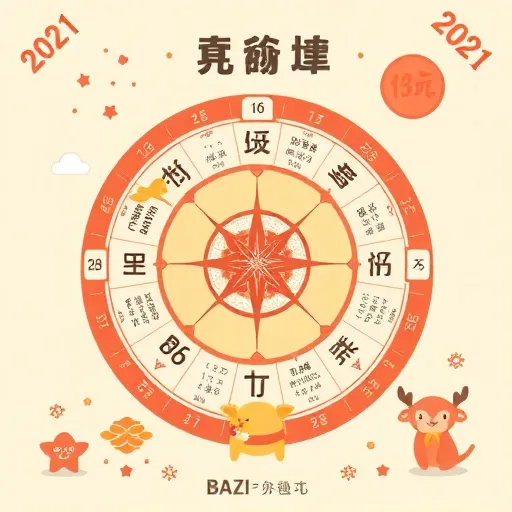
If you've ever wondered how to read a bazi chart for wealth, the first thing you need to wrap your head around is what a bazi chart actually is. Bazi — also known as the Four Pillars of Destiny — is a system that takes your birth date and birth time and maps them into four pairs of characters: year pillar, month pillar, day pillar, and hour pillar. Each pair is made up of one Heavenly Stem and one Earthly Branch, which gives you eight characters in total. Those characters then translate into the Five Elements: Wood, Fire, Earth, Metal, and Water.
Think of your bazi chart as a snapshot of the elemental energy that was floating around at the exact moment you were born. The balance — or imbalance — of those Five Elements shapes your Day Master, which is the character that represents you. Everything else in the chart gets read in relation to that Day Master. That's the foundation. And honestly, if you skip this step, nothing else makes sense — especially when you're trying to figure out how to read a bazi chart for wealth.
Step 1: Identify Your Day Master and Understand the Five Elements Framework
Your Day Master is the Heavenly Stem of your day pillar. It's the single most important reference point in the entire bazi chart. Is it Yang Wood? Yin Metal? Weak Fire? Every insight about wealth analysis flows from understanding this core identity. Without a clear grasp of your Day Master, learning how to read a bazi chart for wealth is basically impossible.
Here's a practical shortcut: hop onto any reputable online bazi calculator, plug in your birth details, and locate the third pillar — the day pillar. The top character is your Day Master. Jot down its element and whether it's yin or yang. This takes about thirty seconds and saves you hours of confusion later.
The Wealth Star: Your Primary Money Indicator and How to Read a Bazi Chart for Wealth
In bazi, wealth isn't read from some single magical "money symbol." Instead, wealth is defined by the element your Day Master controls. This is the classical rule every practitioner follows:
- Wood Day Master → Earth is your wealth element
- Fire Day Master → Metal is your wealth element
- Earth Day Master → Water is your wealth element
- Metal Day Master → Wood is your wealth element
- Water Day Master → Fire is your wealth element
Once you know your wealth element, scan the entire bazi chart for its presence. Every character containing that element is a wealth star — for direct wealth, for indirect wealth. Direct wealth tends to point toward steady salary income and savings; indirect wealth hints at entrepreneurial, investment, or windfall opportunities. This is the first real step in how to read a bazi chart for wealth.
Step 2: Count and Assess the Wealth Stars in Your Bazi Chart
Now the nuance kicks in. Having wealth stars is good — but how many, where, and in what condition matters enormously when you're learning how to read a bazi chart for wealth.
- Too few wealth stars: money requires more deliberate effort; wealth may arrive through skill or reputation rather than direct opportunity
- A healthy number (typically one to three well-placed): natural financial instincts, steady accumulation
- Too many wealth stars: paradoxically signals "wealth-heavy but body-weak" — opportunities everywhere, but insufficient personal energy to capture them
That last point is critical and often missed by beginners trying to figure out how to read a bazi chart for wealth. In bazi logic, wealth must be "carried" by a strong Day Master. If your Day Master is weak and your chart is flooded with wealth elements, you may find yourself constantly chasing money without holding onto it. The fix lies in support elements — the resource stars and companion stars that strengthen you.
The Three Pillars of Wealth Reading: Day Master Strength, Element Surroundings, and Luck Pillars
Professional practitioners don't just count wealth stars. They evaluate three interconnected layers. Mastering these will dramatically improve your ability to read a bazi chart for wealth.
Layer 1: Day Master Strength and Seasonal Position Assessment
Is your Day Master strong or weak? This determines whether you can "use" wealth effectively. A strong Day Master with wealth stars present is a classic wealth-holding configuration. A weak Day Master needs support elements — resource stars or companion stars — before wealth can be retained. This is fundamental to how to read a bazi chart for wealth.
Strength is assessed through seasonal position (was your Day Master born in a season that supports it?), root support (does it have allies in the branches?), and overall elemental balance. Online calculators typically display a "strength percentage" — treat it as a rough guide, not gospel.
Layer 2: The Wealth Element's Surroundings and Interaction Analysis
Look at what sits next to your wealth stars. Is the wealth element being generated by a preceding element — an output star feeding wealth? Is it protected, or is it being attacked by a controlling element — a companion star clashing with wealth?
For example, if your wealth element is Metal and there's abundant Earth in the chart, Earth generates Metal — that's favorable. But if Fire dominates around your Metal wealth stars, the wealth is being "melted." This kind of interaction analysis is where how to read a bazi chart for wealth becomes genuinely insightful rather than superficial.
Layer 3: The Luck Pillars (Da Yun) and Ten Gods Timing Dynamics
Your natal chart is static, but your luck pillars change every ten years and represent the dynamic timing layer. This is where the Ten Gods system becomes practical for anyone serious about how to read a bazi chart for wealth.
When your luck pillar brings in your wealth element — or an element that supports your ability to hold wealth — that decade tends to be financially active. When a luck pillar brings in a heavy controlling element, wealth may be challenged regardless of how strong your natal chart looks.
In 2026, with rapid shifts in technology and global markets, practitioners routinely examine the interaction between the annual pillar and the natal chart to spot windows for financial moves. The key is identifying which elements are arriving in your luck cycle and whether they harmonize with your natal wealth configuration.
The Ten Gods: Reading Wealth Through Relationship Dynamics and Financial Behavior
The Ten Gods are the ten archetypal relationships between your Day Master and every other character in the chart. For wealth reading, four of them matter most:
- Direct Wealth — steady, earned income; salary, savings, conservative assets
- Indirect Wealth — variable income; investments, side ventures, opportunities that require risk
- Eating God / Hurting Officer — output stars that generate wealth; indicate talent, creativity, and skill-based income
- Rob Wealth / Competitor — companion stars that can support a weak Day Master but may drain wealth when excessive
A chart where output stars feed wealth stars — often called a "wealth-generating flow" — is one of the most favorable wealth configurations in bazi. It suggests someone whose skills naturally convert into money. Conversely, a chart heavy in Rob Wealth with weak wealth stars often indicates financial leakage through partnerships, lending, or impulsive spending.
Understanding the Ten Gods structure turns a simple wealth count into a nuanced financial profile. It tells you not just whether wealth exists, but through what channel it arrives — a huge part of how to read a bazi chart for wealth.
The Day Master's Role in Financial Behavior and Money Management Style
Here's an underappreciated insight: your Day Master element shapes how you handle money, not just how much you can attract. This is where how to read a bazi chart for wealth gets personal.
- Wood Day Masters tend to invest in growth-oriented ventures and long-term plans
- Fire Day Masters often thrive in visibility-driven income and move fast on opportunities
- Earth Day Masters favor stability, real assets, and conservative accumulation
- Metal Day Masters lean toward precision, systems, and disciplined financial management
- Water Day Masters excel at fluid, adaptive, information-based wealth strategies
Sometimes the most valuable reading isn't about how much money you'll make — it's about understanding your natural financial temperament and designing a strategy that works with it rather than against it. A chart that "looks weak" for wealth may simply be suggesting a different accumulation path than aggressive speculation. That's the kind of self-knowledge that makes how to read a bazi chart for wealth genuinely practical.
Common Mistakes When Reading a Bazi Chart for Wealth and How to Avoid Them
- Assuming more wealth stars = more money. This is the biggest beginner error. Oversaturation without support elements can signal financial stress rather than abundance.
- Ignoring the Day Master's strength. Wealth without the capacity to hold it is just noise.
- Skipping the luck pillars. A natal chart alone is a map without a timeline. Timing is everything in financial strategy.
- Misreading the Ten Gods. Wealth stars in a lucky position differ dramatically from wealth stars being attacked by clash or penalty relationships.
- Forgetting that bazi is a model, not a mandate. It highlights tendencies and timing, not fixed outcomes.
A Practical Checklist for How to Read a Bazi Chart for Wealth in 2026
When you sit down to read a bazi chart for wealth, go through this sequence in order:
- Identify the Day Master (element + yin/yang)
- Determine the wealth element for that Day Master
- Locate all wealth stars in the chart
- Assess Day Master strength
- Check the interaction between wealth stars and surrounding elements
- Identify the Ten Gods configuration around wealth
- Evaluate the current and upcoming luck pillars
- Review the annual pillar interaction for the current year (2026)
Working through this checklist in order prevents the classic mistake of jumping to conclusions based on a single wealth star. Each layer refines the picture from a rough sketch into a detailed portrait — and that's really what how to read a bazi chart for wealth is all about.
Treat the chart as a strategic mirror rather than a prophecy. It won't hand you a dollar figure — but it can tell you where your natural financial advantages lie, what behavioral patterns to watch for, and when the elemental currents are most supportive of your financial plans. In 2026, with markets and career structures shifting faster than ever, mastering how to read a bazi chart for wealth is a genuinely valuable skill. Whether you're exploring bazi for personal insight or as a consultant refining your craft, the fundamentals above will anchor every deeper reading you attempt.