Five elements as ene
What Are the Five Elements, Exactly?
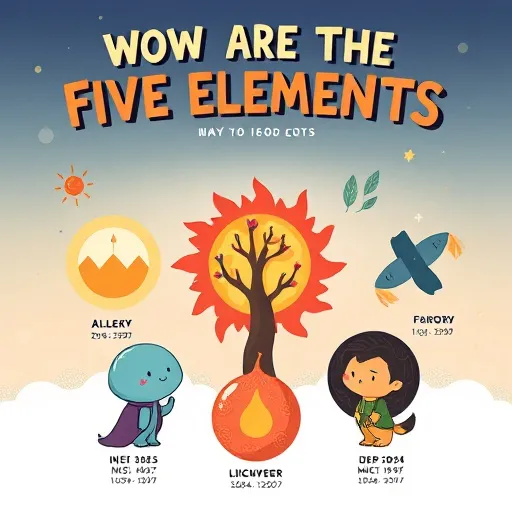
Before we dive into how do five elements interact generating and controlling, let's get clear on what these five elements actually are. Think of them as five fundamental phases or qualities of energy that show up everywhere in the natural world—not literal substances, but patterns of change that repeat across everything from gardens to boardrooms.
- Wood — growth, expansion, creativity, upward movement
- Fire — transformation, heat, passion, visibility
- Earth — stability, nourishment, grounding, support
- Metal — structure, refinement, contraction, clarity
- Water — flow, depth, rest, adaptability
Here's the key thing to remember: these aren't literal materials. They're archetypes or phases of transformation. A seedling pushing through soil is Wood energy. A flame consuming a log is Fire energy. A mountain sitting unmoved is Earth energy. A blade being sharpened is Metal energy. A river carving its way downhill is Water energy. Once you start thinking in these terms, you'll notice the pattern everywhere—and that's exactly when understanding how do five elements interact generating and controlling becomes genuinely useful.
The Generating Cycle: How Yin Yang Balance and Nourishment Flow Between Each Element
The generating cycle—sometimes called the creative cycle or the mother-child relationship—describes how each element supports and feeds the next one in a continuous loop. Think of it as a relay race where every runner hands off energy to the next. This is one half of the answer to how do five elements interact generating and controlling, and it's the half that's all about nourishment.
Wood Generates Fire Through Growth and Transformation Energy
This one's pretty intuitive. Wood fuels fire—you rub sticks together or toss logs on a flame. In a metaphorical sense, Wood's growth and expansion provide the raw material that Fire's transformation consumes. If you're a creative person (Wood), your ideas feed your passion and visibility (Fire). Understanding how do five elements interact generating and controlling starts with this simple spark-to-flame relationship.
Fire Generates Earth Through Ash and Stability Creation
When fire burns, it produces ash, which settles into the ground and enriches the soil. Fire's intensity and transformation eventually create stability and substance—Earth. In practice, passion and visibility, once burned through, leave behind something solid and grounded. This is a perfect example of how do five elements interact generating and controlling in a way that builds lasting balance.
Earth Generates Metal Through Mineral Refinement and Structure
Minerals and ores are extracted from the earth. Metal is born from Earth's compression and refinement over time. Stability and nourishment eventually produce structure and clarity. Slow, steady growth leads to sharp, refined results—and this transition is a core piece of how do five elements interact generating and controlling.
Metal Generates Water Through Condensation and Flow Creation
This one trips people up sometimes, but it makes sense when you think about it: metal surfaces condense water. Think of a cold metal pipe on a humid day—water droplets form on it. Metal's contraction and refinement create the conditions for Water's flow and depth. It's a subtle but important link in how do five elements interact generating and controlling.
Water Generates Wood Through Hydration and Growth Nourishment
Water nourishes plants. Rain feeds forests. This closes the loop—Water's depth and adaptability provide the hydration that Wood needs to grow and expand. And then the cycle starts all over again. So the generating cycle runs like this: Wood → Fire → Earth → Metal → Water → Wood. Each element is both a parent to the next and a child of the previous one. It's a beautiful, self-sustaining loop that answers half the question of how do five elements interact generating and controlling.
The Controlling Cycle: How Balance and Regulation Keep Each Element in Check
If the generating cycle is about nourishment, the controlling cycle—also called the regulating cycle—is about balance. Without control, any system would spin out of control. One element would dominate and everything would collapse. The controlling cycle keeps things in check, and it's the other half of how do five elements interact generating and controlling.
Wood Controls Earth Through Root Expansion and Soil Breaking
Plant roots break up soil and rock. Trees push through the ground. Wood's expansion and growth keep Earth's stability from becoming stagnant or overwhelming. Creativity and growth prevent stability from turning into rigidity—a key dynamic in how do five elements interact generating and controlling.
Earth Controls Water Through Boundaries and Absorption
Dams and riverbanks hold back water. Soil absorbs rain. Earth's stability and boundaries keep Water's flow from becoming chaotic or destructive. Grounding and structure prevent adaptability from turning into aimlessness.
Water Controls Fire Through Cooling and Intensity Regulation
Water extinguishes fire—this one's obvious. Water's depth and cooling nature keep Fire's intensity from burning out of control. Rest and reflection prevent passion from becoming burnout. This is one of the most intuitive examples of how do five elements interact generating and controlling.
Fire Controls Metal Through Heat and Rigidity Softening
Fire melts metal. Heat softens structure. Fire's transformation and passion keep Metal's rigidity from becoming brittle or inflexible. Warmth and visibility prevent structure from becoming cold and lifeless.
Metal Controls Wood Through Cutting and Growth Discipline
Axes and saws cut wood. Metal's structure and refinement keep Wood's expansion from becoming wild and unchecked. Clarity and discipline prevent growth from becoming chaotic overgrowth. So the controlling cycle runs like this: Wood → Earth → Water → Fire → Metal → Wood. Each element controls the one that's two steps ahead of it in the generating cycle—that's not a coincidence, it's the underlying logic of how do five elements interact generating and controlling.
Why Both Cycles Work Together for Dynamic Yin Yang Balance
Here's where it gets really interesting. The generating and controlling cycles don't operate in isolation—they work together simultaneously. For any system to be healthy—whether it's a human body, an organization, a garden, or a business—both cycles need to be functioning properly. This is the heart of how do five elements interact generating and controlling.
If the generating cycle is too strong and the controlling cycle is too weak, you get excess and burnout. Imagine a company growing wildly (Wood) but with no structure or discipline (Metal) to keep it in check—eventually, things spiral. If the controlling cycle is too strong and the generating cycle is too weak, you get stagnation and suppression. Imagine someone so disciplined and structured (Metal) that they never allow themselves to grow or expand (Wood). They become rigid and stuck.
The ideal state is dynamic balance—both cycles flowing smoothly, with each element getting enough nourishment and enough regulation to stay in its proper proportion. That's the sweet spot of how do five elements interact generating and controlling.
Real-World Applications in 2026: Wellness Lifestyle and Organizational Strategy
You might be thinking, "This is all very philosophical, but how is anyone actually using this today?" Great question. In 2026, the Five Elements framework is being applied in some surprisingly practical ways—and understanding how do five elements interact generating and controlling is at the center of it all.
Personal Wellness and Lifestyle Design Through Elemental Energy Patterns
Wellness practitioners are using the Five Elements to help people understand their energy patterns. Someone constantly overworking (too much Fire) might need more Water—rest, reflection, and flow. Someone stuck and unmotivated (too much Earth, not enough Wood) might need more growth-oriented activities. The generating and controlling cycles provide a diagnostic framework for identifying imbalances and correcting them—a real-world answer to how do five elements interact generating and controlling.
Organizational Strategy and Team Dynamics Through Elemental Balance
Business consultants and organizational strategists are using the Five Elements as a lens for understanding team dynamics. A team that's all vision and no execution (Wood without Metal) will struggle. A team that's all structure and no creativity (Metal without Wood) will stagnate. The controlling cycle helps leaders identify where regulation is needed, while the generating cycle shows where nourishment is missing.
Environmental Systems Thinking and Complex Adaptive Feedback Loops
Systems thinkers are using the Five Elements as a model for understanding complex adaptive systems. The generating and controlling cycles mirror feedback loops in ecology, economics, and even software architecture. It's a way of thinking about how parts of a system feed and regulate each other—a concept more relevant than ever in our interconnected world. This is how do five elements interact generating and controlling playing out at scale.
Design Aesthetics and Balanced Spaces Through Elemental Harmony
Designers are using the Five Elements to create spaces and products that feel balanced. Too much Wood energy (sharp angles, fast growth, clutter) without Metal (clean lines, structure) can feel chaotic. Too much Metal without Fire (warmth, color, light) can feel cold. The generating and controlling cycles provide a design vocabulary for creating harmony.
Common Misconceptions About Five Elements and Yin Yang Philosophy
Before we wrap up, let's clear up a few misunderstandings that come up a lot when people first learn how do five elements interact generating and controlling.
- Misconception #1: The Five Elements are literal substances. They're not. They're phases of energy and patterns of change. Wood isn't just trees—it's the quality of growth and expansion.
- Misconception #2: The controlling cycle is bad. It's not. Control is necessary for balance. Without it, systems collapse. The controlling cycle is about regulation, not destruction.
- Misconception #3: One element is better than another. No element is inherently good or bad. Each has strengths and weaknesses, and balance is what matters.
- Misconception #4: The Five Elements are just superstition. While rooted in traditional philosophy, the framework is a sophisticated systems model describing feedback loops and dynamic balance—concepts entirely compatible with modern systems thinking.
How to Work with Generating and Controlling Cycles for Dynamic Balance
If you want to start applying the Five Elements in your own life, here's a simple way to begin. First, identify which element feels dominant in a given situation. Are you in a growth phase (Wood)? A resting phase (Water)? A phase of intense output (Fire)? Then ask yourself which element is supporting that phase (generating) and which element is regulating it (controlling). This simple exercise is how do five elements interact generating and controlling in action.
If you notice that support is missing, look for ways to introduce it. If regulation is missing, look for ways to add structure. The goal isn't to eliminate any element—it's to create a dynamic balance where all five are present and flowing. You can also use the cycles to diagnose problems. If something feels stuck (too much control, not enough generation), add nourishment. If something feels chaotic (too much generation, not enough control), add structure. The cycles give you a map for navigating complexity—and that's the practical power of how do five elements interact generating and controlling.